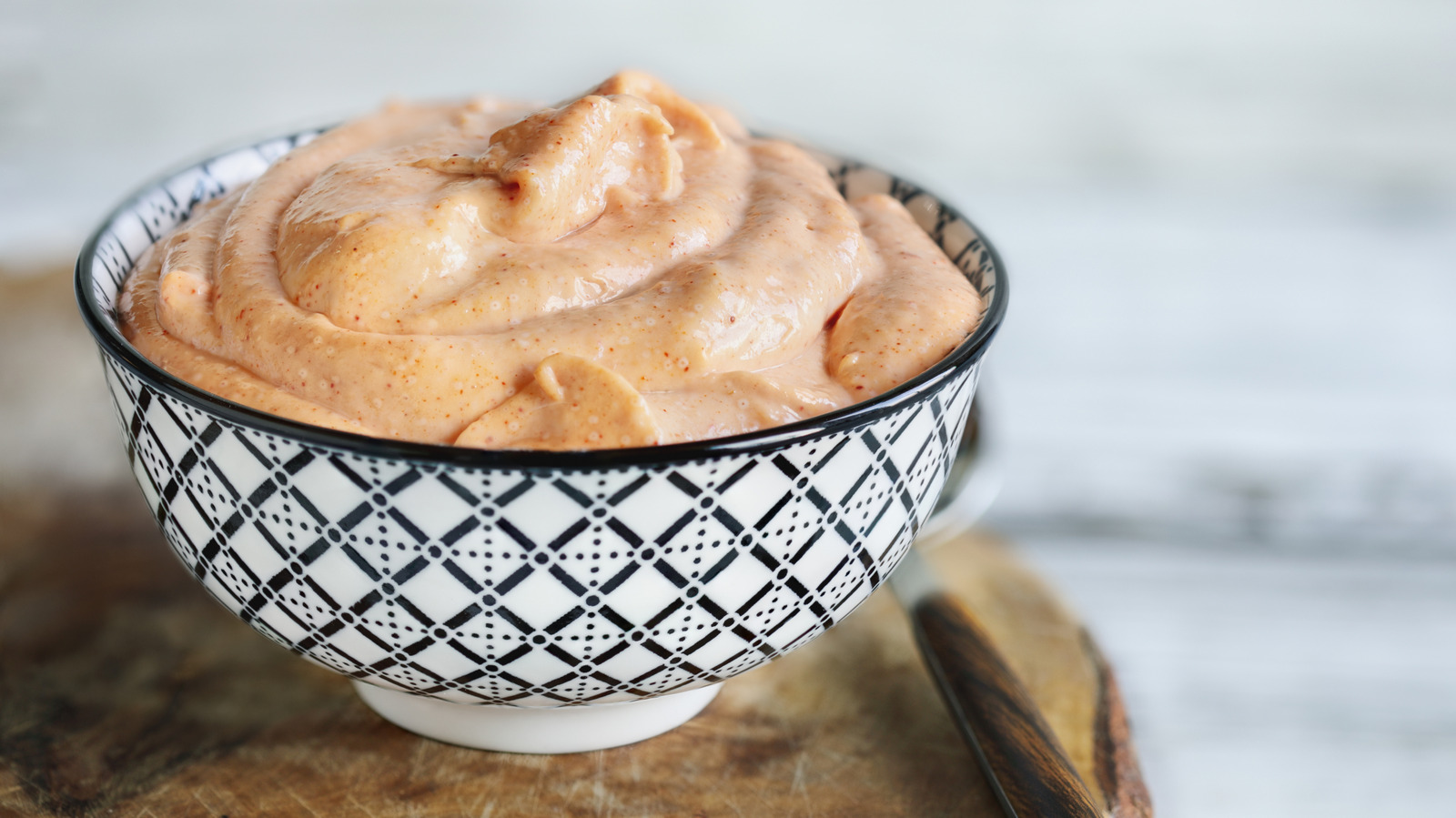
If you've ever savored the theatrical delights of a Japanese steakhouse, watching chefs perform culinary acrobatics with sizzling ingredients, chances are you've encountered the vibrant, creamy delight known as yum yum sauce. This beloved condiment, with its distinctive peachy-pink hue and irresistible flavor profile, has transcended its hibachi origins to become a versatile staple in kitchens far and wide. But what exactly is yum yum sauce, and why has it captured the hearts (and taste buds) of so many?
For many, the first encounter with yum yum sauce is an unforgettable one. It's the secret ingredient that transforms grilled vegetables, elevates succulent shrimp, and adds a burst of tangy-sweet richness to every forkful of fried rice. This article will delve into the essence of this enigmatic sauce, exploring its unique taste, fascinating history, incredible versatility, and how you can easily whip up a batch to revolutionize your home cooking.
What Exactly is Yum Yum Sauce? Unpacking its Signature Flavor
At its core, yum yum sauce is a creamy, rich condiment characterized by a delicate balance of sweet, tangy, and subtly savory notes. Visually, it's immediately recognizable by its pale pink, sometimes almost orange, tint, making it stand out among other sauces. The texture is smooth and velvety, perfect for drizzling generously over an array of dishes.
The flavor is complex yet approachable, a symphony of tastes that excites the palate without being overwhelming. You'll detect a gentle sweetness, often from sugar, beautifully complemented by a bright tang, typically from vinegar or a similar acidic component. Beneath these prominent notes lies a subtle umami depth and a hint of garlic or other mild spices, contributing to its addictive quality. It’s this carefully orchestrated balance that allows yum yum sauce to enhance a wide variety of foods, adding indulgence without overshadowing their natural flavors.
While most commonly known as yum yum sauce, you might also hear it referred to by other names depending on the restaurant or region. Common monikers include white sauce or shrimp sauce, particularly in Japanese steakhouses where it's a quintessential accompaniment to seafood and other grilled proteins. Regardless of the name, the creamy, flavor-packed essence remains the same, consistently delivering that delightful burst of taste that keeps diners coming back for more.
The Fascinating History: An American Icon Born from Hibachi
Despite its strong association with Japanese steakhouses and hibachi dining, one of the most surprising facts about yum yum sauce is its origin. Contrary to popular belief, this iconic sauce is not a traditional Japanese condiment. Instead, yum yum sauce is an American invention, specifically crafted with Western palates in mind.
The rise of hibachi-style dining in the United States during the 1960s played a crucial role in the creation and popularization of this sauce. As Japanese steakhouses began to gain traction, there was a desire to offer a dipping sauce that would appeal broadly to American tastes. Traditional Japanese sauces often feature bolder, more complex umami or soy-based profiles. The creators of yum yum sauce ingeniously developed a creamy, slightly sweet, and tangy alternative that resonated instantly with a wider audience, perfectly complementing the smoky, grilled flavors characteristic of hibachi cooking.
This strategic innovation helped propel hibachi dining into the mainstream, with yum yum sauce becoming an indispensable part of the experience. It provided a familiar yet exciting flavor enhancer that made the exotic new cuisine more accessible and enjoyable. From its humble beginnings as a sidekick to sizzling shrimp and steak, yum yum sauce quickly cemented its status as a beloved condiment, solidifying its place in the Japanese-American culinary landscape.
More Than Just a Condiment: Why Yum Yum Sauce Reigns Supreme
The enduring popularity of yum yum sauce isn't just a nostalgic nod to hibachi memories; it's a testament to its exceptional qualities that make it a truly versatile and indispensable addition to any kitchen.
Unmatched Versatility in the Kitchen
While its fame began on the hibachi grill, the applications of yum yum sauce extend far beyond. Its balanced flavor profile allows it to harmonize with an astonishing array of dishes, instantly upgrading everything it touches. Here are just a few ways its versatility shines:
- Grilled Meats & Seafood: This is its classic pairing. Drizzle it over grilled chicken, steak, shrimp, or salmon for an extra layer of flavor and moisture.
- Vegetables: It transforms even the simplest roasted or steamed vegetables into something extraordinary. Think broccoli, asparagus, or bell peppers.
- Fried Rice & Noodles: Stir a spoonful into your homemade fried rice or noodle dishes for a creamy, flavorful boost.
- Sandwiches & Wraps: Use it as a dynamic spread instead of plain mayonnaise to add excitement to your lunchtime favorites.
- Fries & Snacks: It makes an incredible dipping sauce for French fries, sweet potato fries, chicken nuggets, or even crispy tofu bites.
- Bowls & Salads: Incorporate it into grain bowls, protein bowls, or use it as a creamy, zesty salad dressing.
Many home cooks, much like the original recipe creators, find themselves making weekly batches of yum yum sauce because it genuinely adds an instant flavor upgrade to practically anything. Its creamy texture and balanced taste make it a crowd-pleaser, even for the pickiest eaters. To explore even more creative applications, check out our guide on Beyond Hibachi: Discover the Incredible Versatility of Yum Yum Sauce.
Effortless to Create at Home
One of the most appealing aspects of yum yum sauce is how wonderfully easy it is to make from scratch. You don't need obscure ingredients or complex techniques; just a handful of pantry staples and a few minutes are all it takes to create a restaurant-quality condiment right in your own kitchen.
The basic ingredients typically include mayonnaise as the creamy base, along with a blend of seasonings like garlic powder, paprika (which often contributes to its signature color), sugar, and a liquid component like water or rice vinegar to achieve the perfect consistency. The beauty of a homemade version lies in its forgiving nature – you can easily adjust the proportions to suit your personal preferences, adding more garlic for a punchier flavor, a touch more sugar for extra sweetness, or thinning it out with a little water for a lighter drizzle.
Cracking the code to making this sauce at home eliminates the need to buy often-pricier store-bought versions, giving you fresh, customizable flavor whenever you desire. For a detailed guide on how to make it, see our Restaurant-Quality Yum Yum Sauce: Easy 5-Minute Copycat Recipe.
Mastering Your Own Yum Yum Sauce: Tips for the Home Chef
While the basic recipe for yum yum sauce is straightforward, a few insights can elevate your homemade version from good to absolutely phenomenal.
Key Ingredients and the Perfect Balance
The foundation of a great yum yum sauce rests on fresh, quality ingredients. Use a good quality mayonnaise as your base; it makes a significant difference in the final texture and flavor. Beyond that, the magic truly happens in the balancing act of sweet, tangy, and savory:
- Creaminess: Mayonnaise is key. If you're concerned about it separating (which can happen if mixed too vigorously or with extreme temperature changes), ensure your ingredients are at room temperature before blending.
- Sweetness: Granulated sugar is common, but you could experiment with a touch of honey or agave for a different nuanced sweetness.
- Tang: Rice vinegar is a popular choice, providing a mild, pleasant acidity. A squeeze of lemon juice can also work.
- Savory Depth: Garlic powder is indispensable. Onion powder can also add a subtle background note. A tiny pinch of ginger powder can introduce another layer of complexity.
- Color & Mild Spice: Paprika not only contributes to the iconic peachy hue but also adds a very mild, warm spice. Smoked paprika can add an interesting depth.
- Consistency: Water is typically used to thin the sauce to the desired drizzly consistency. Add it gradually, a tablespoon at a time, until it reaches your preferred flow.
Don't be afraid to taste and adjust! This is where the "forgiving" nature of the sauce really shines. A little more of this, a little less of that, and you'll find your perfect personal blend.
Storage and Shelf Life
Once you've whipped up a batch of homemade yum yum sauce, proper storage is essential to maintain its freshness and flavor. Because it's mayonnaise-based, it should always be kept refrigerated. Store your sauce in an airtight container in the fridge, and it will typically last for about 5-7 days. Always give it a good stir before serving, as some of the ingredients may settle slightly over time. Homemade sauces, without the preservatives found in commercial varieties, tend to have a shorter shelf life, so it's best enjoyed fresh.
Whether you're a seasoned chef or a beginner in the kitchen, making your own yum yum sauce is a rewarding experience that unlocks a world of flavor possibilities. Its simplicity, versatility, and undeniable deliciousness make it a staple you'll wonder how you ever lived without.
From its humble beginnings as a strategic condiment for American hibachi diners to its current status as a versatile kitchen hero, yum yum sauce has cemented its place in the culinary world. Its creamy texture, delightful peachy hue, and perfect balance of sweet and tangy flavors make it an irresistible addition to nearly any meal. Easy to make and incredibly adaptable, it's more than just a sauce; it's an instant flavor enhancer that brings a touch of magic to the everyday. So, next time you're looking to elevate your dishes, remember the power of yum yum sauce – your taste buds will thank you.
